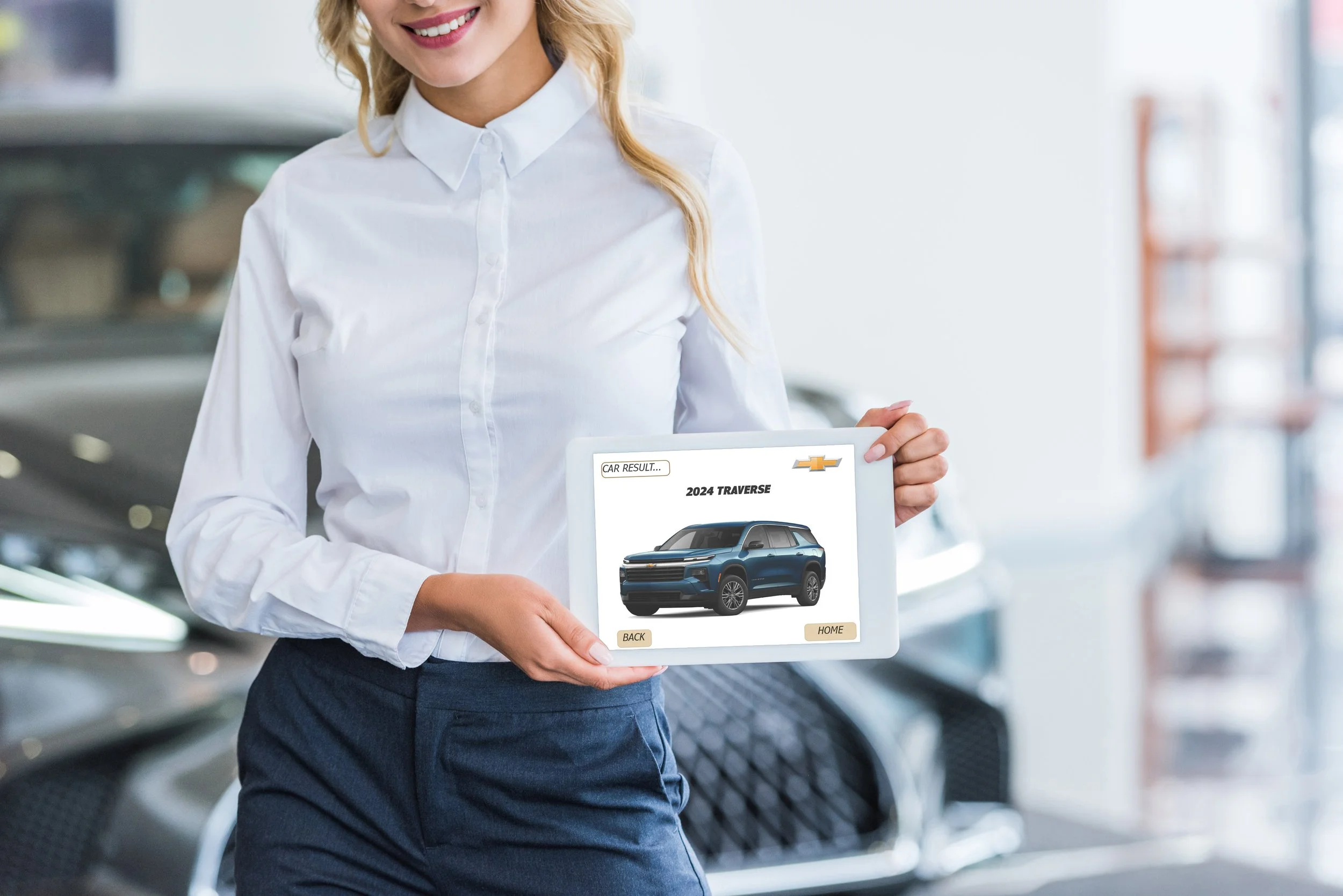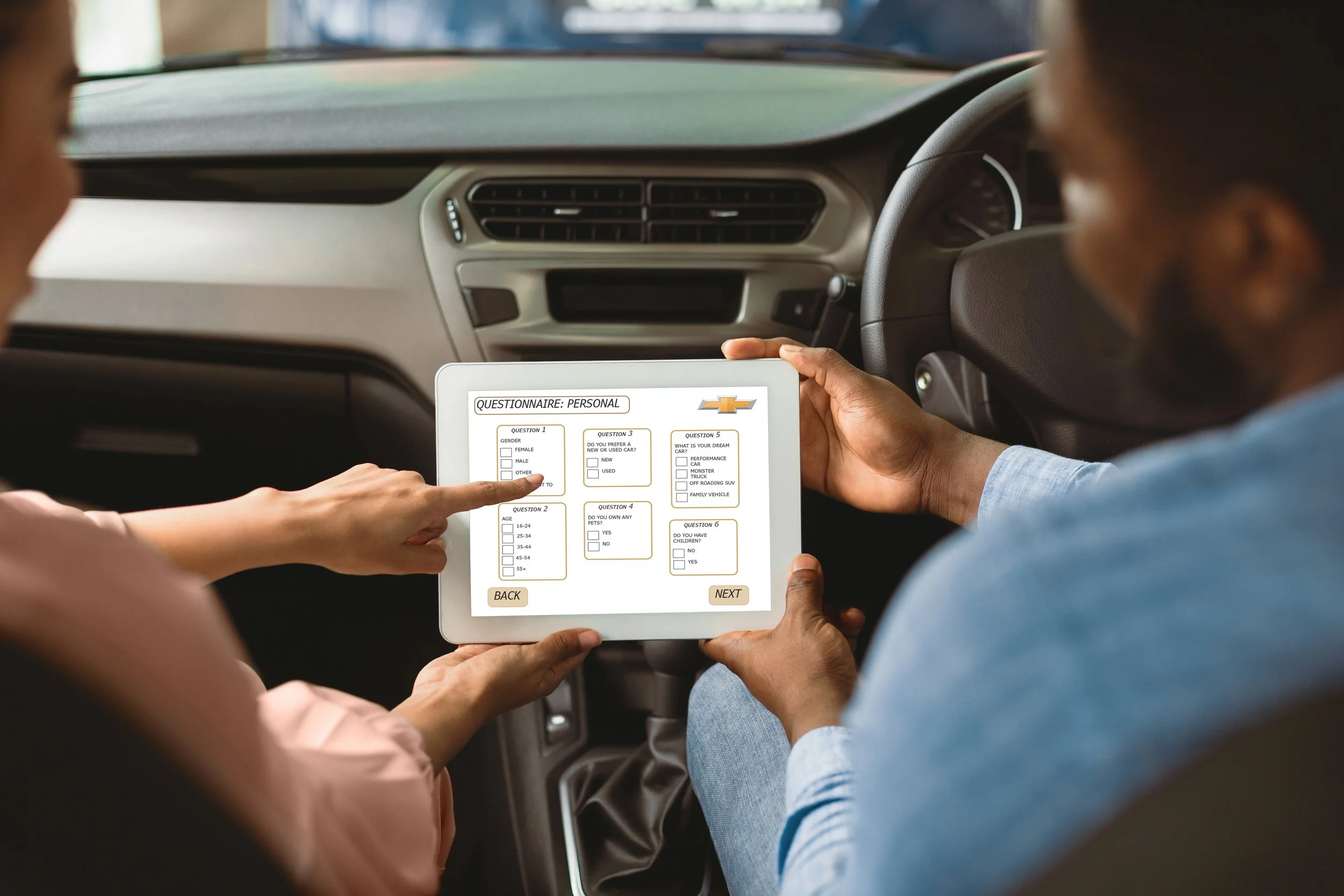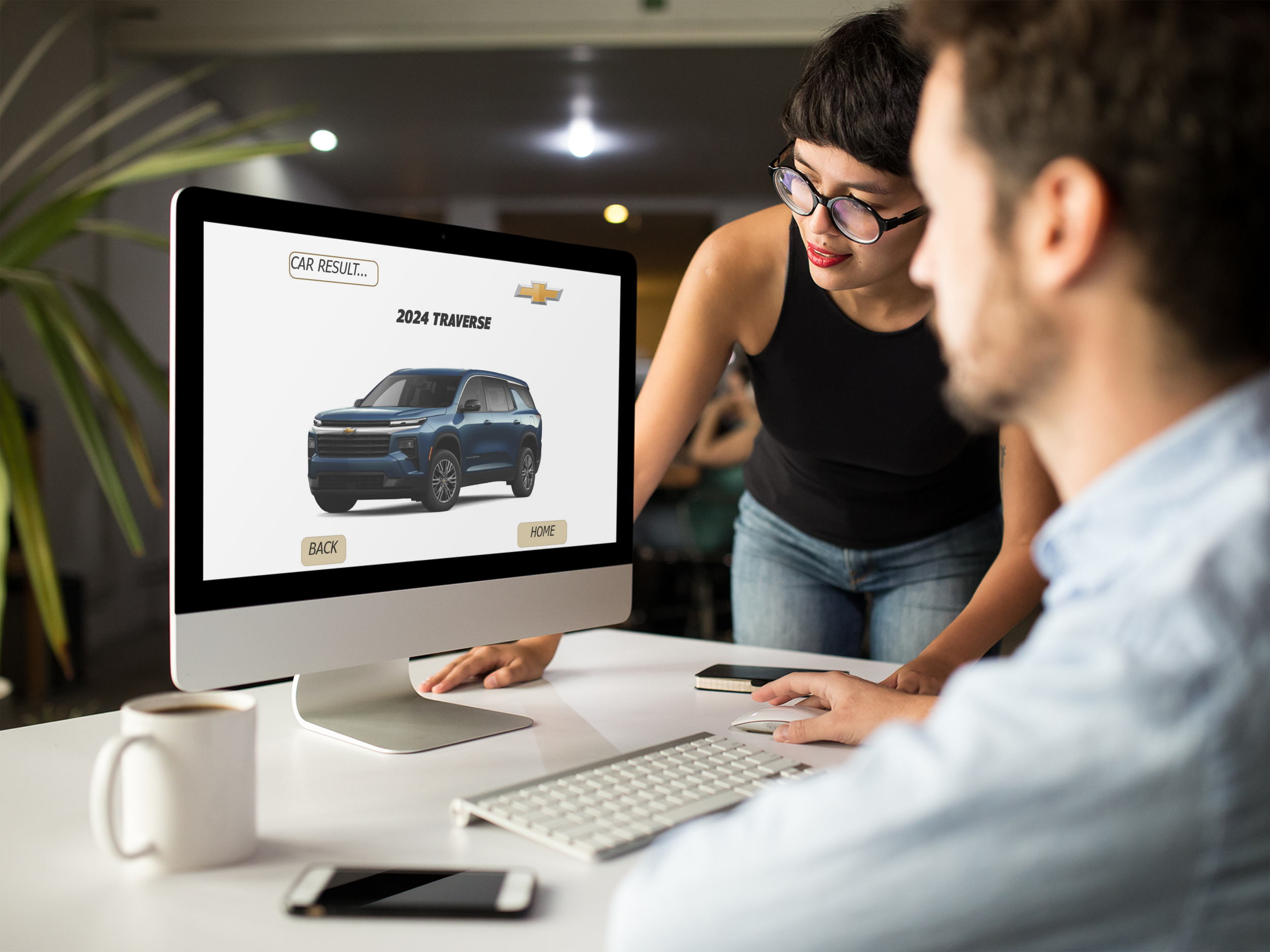
This group project aimed to design a kiosk with self-service functionality to reduce the stress of interacting with dealership salespeople.
My role in this project was as a team lead, helping in areas where others needed help.
From there, the points I did as a leader were design and research.
Deep Dive
Brand Research
Eight years after one of the oldest motor companies (Ford) was founded, Chevrolet was started. Louis Chevrolet and William Durant had a dream back in 1911 to create a reliable and affordable vehicle.
In 1918, General Motors acquired Chevrolet. Later, in the 1920s, it was one of the top-selling car brands in the United States. Today, Chevrolet is a global brand in more than 100 countries.
Chevrolet’s goal is to adapt to changes in marketing and reach the right audience to drive its success through effective strategies.
Target Audience
The audience Chevrolet has been aiming for is individuals and families seeking reliable and affordable transportation. This company has been catering to various demographics; for example, some include:
Young professionals, families, and individuals looking for an adventurous driving experience.

Competitors
With many opponents in the field of automobiles, a couple of the biggest are Nissan, Dodge, and Ford.
Nearly 113 years later, they are first in the Diversity score compared to their competitor, Ford (also owned by General Motors Company), Toyota, and Honda.
Nissan: An advantage in terms of horsepower and fuel efficiency.
Ford: Known for reliability, craftsmanship, and artful engineering,
Dodge: When it comes to towing capacity, the RAM 1500.
Chevrolet gives many options that will meet everyone's needs and has ranked high for many of those vehicles.



Problems
Why do people dislike buying cars?
The leading cause of stress during buying stems from factors such as limited availability of test-drive vehicles, lengthy wait times for appointments, lack of personalized attention from dealership staff, and a disconnect between the customer’s preferences and needs.

Improving Problems
As a group, we had identified the three main problems that we wanted to target and fix in the car-buying process.
Through analyzing the problems, we found ways to eliminate the biggest pain points. Between salespeople and the stress of long hours at a dealership, we were able to find different ways to help.
Interactive Configuration
Holographic Showroom
Virtual Test Drive

Sketches
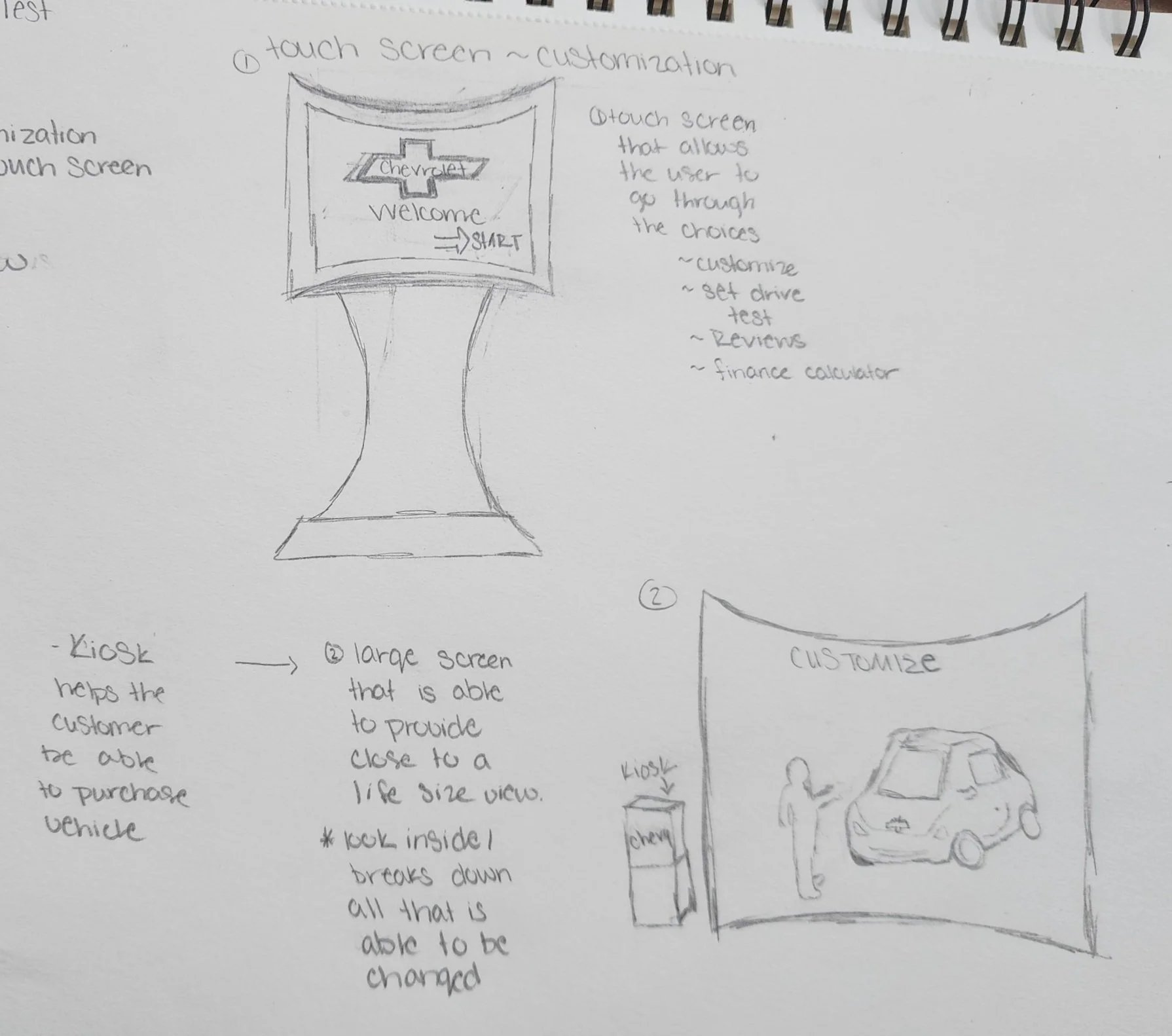
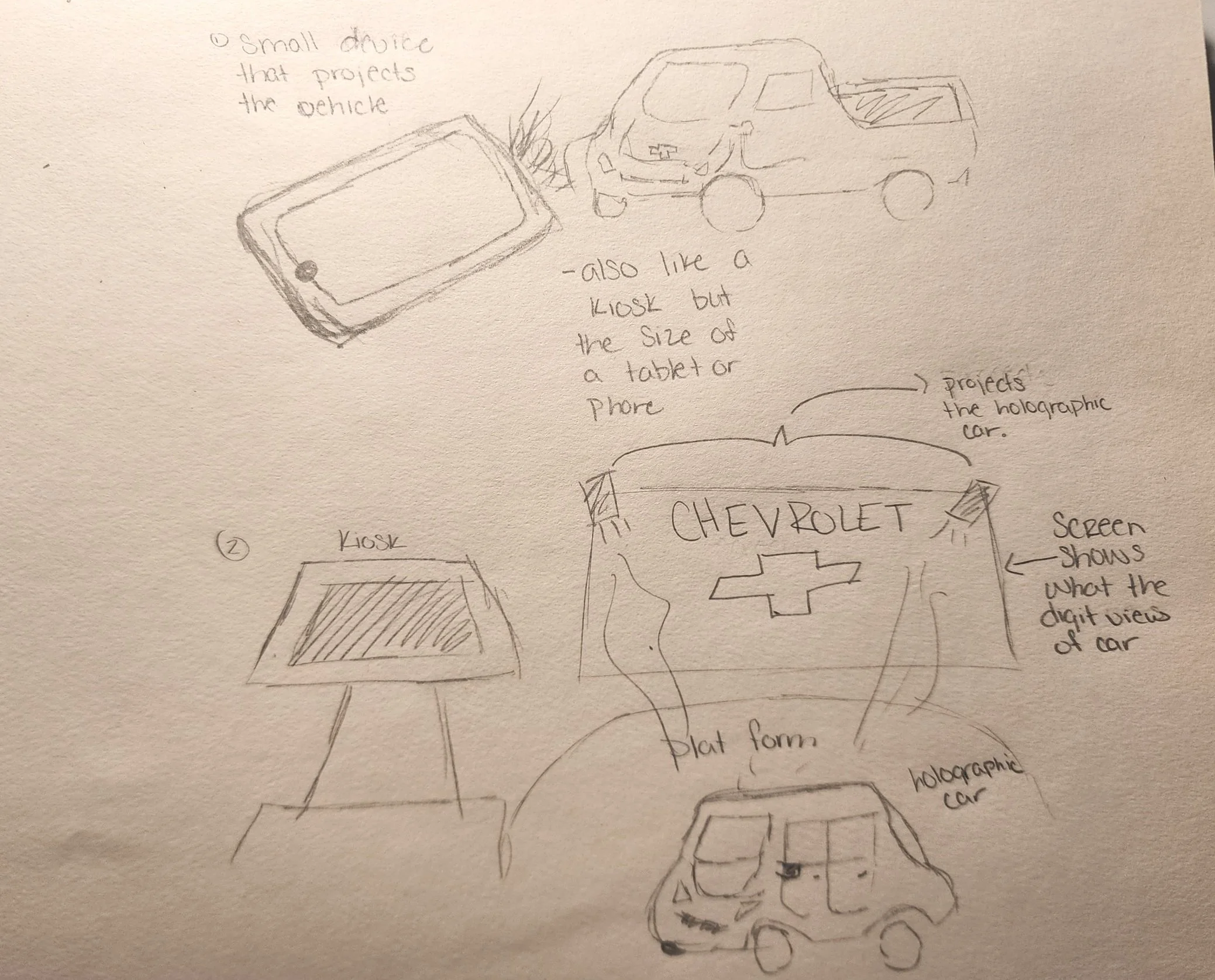
The kiosk sketch designs feature a clean, user-friendly interface with a clean and clear layout for easy navigation. Designs include a large touchscreen with easily recognizable icons, ensuring accessibility and clarity for all users to meet their personal preferences.
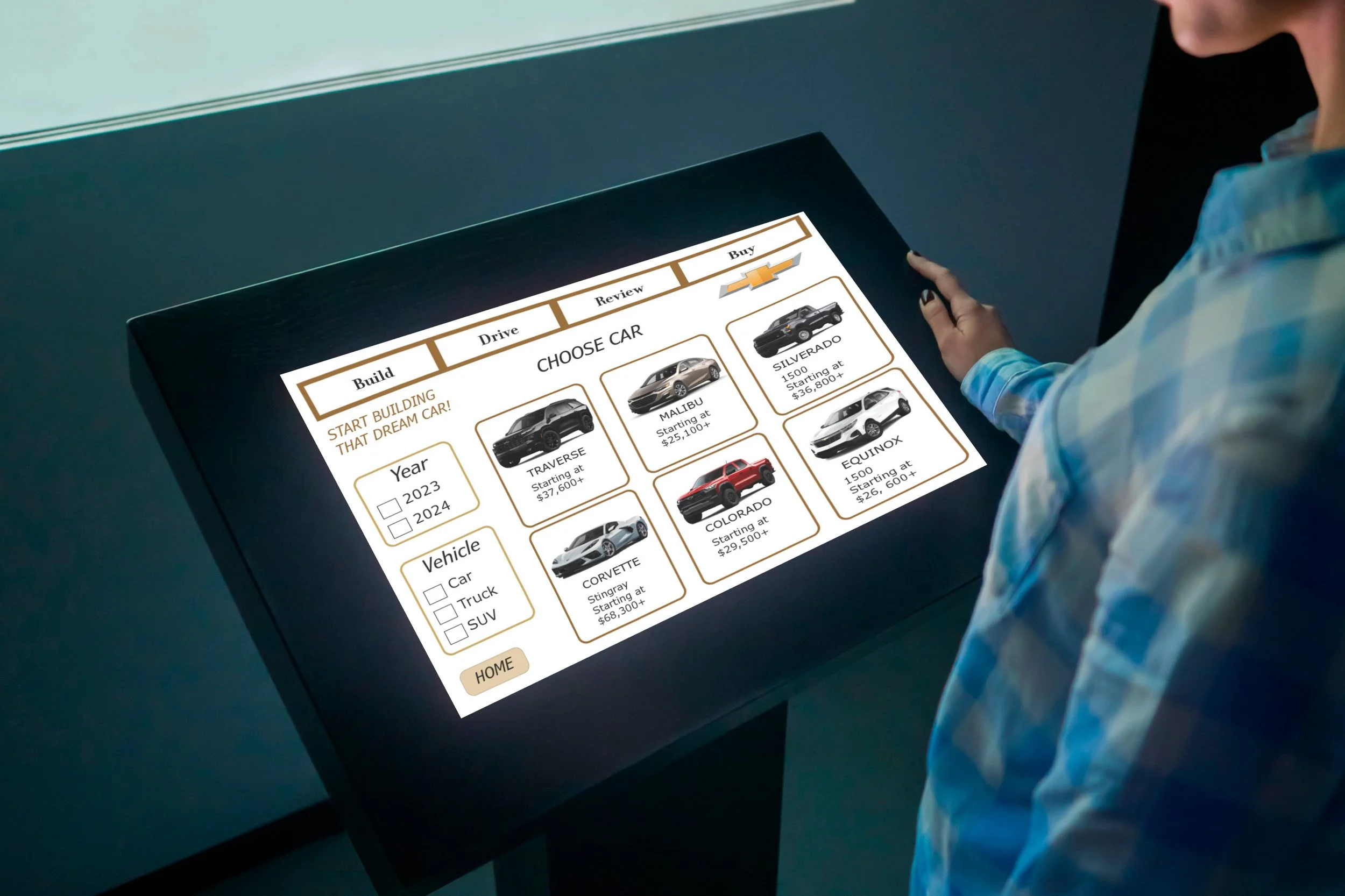
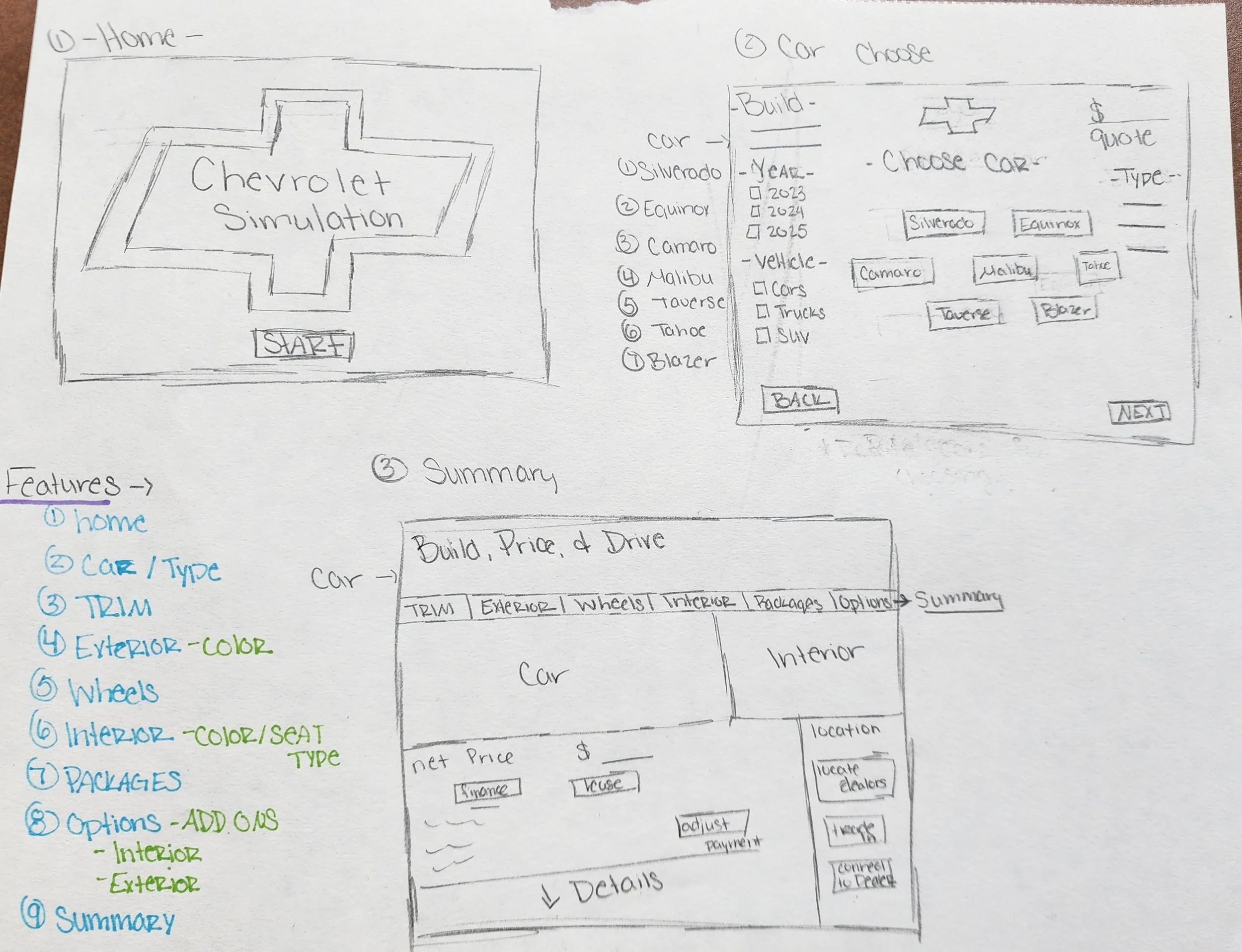
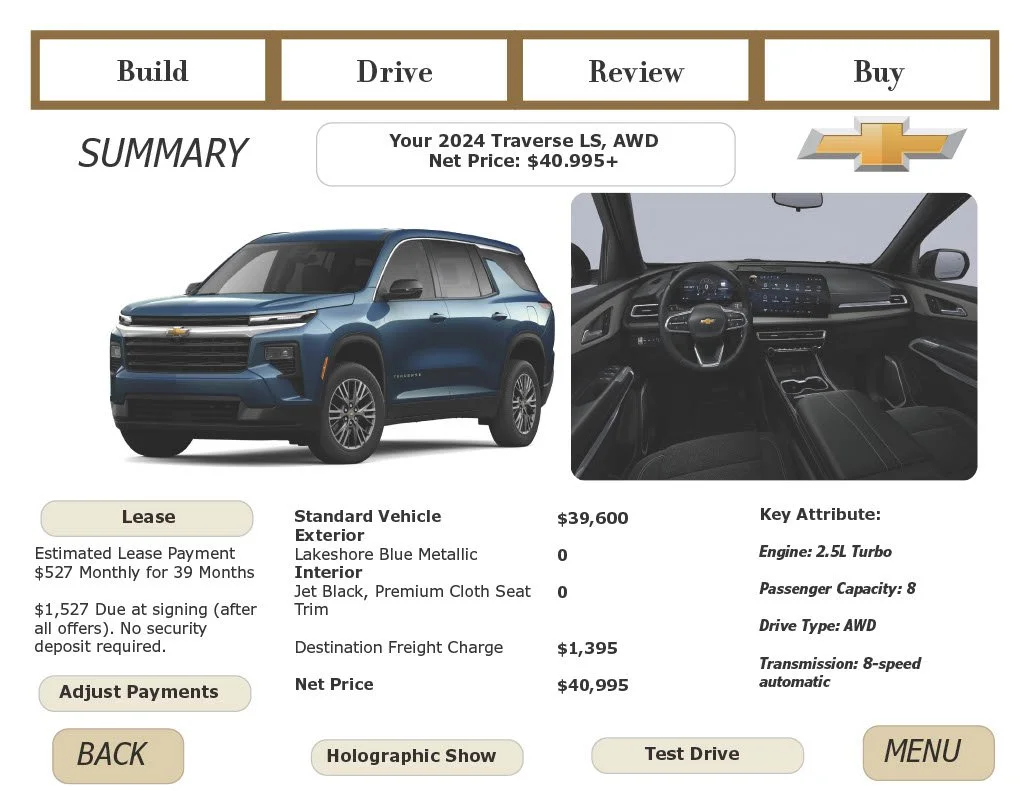
Interactive Configuration: With just a few taps on our intuitive kiosk interface, you can personalize every detail of your vehicle, from the exterior color to the interior upholstery and cutting-edge features.
Holographic Showroom: Experience our vehicles like never before as lifelike holograms materialize before your eyes, showcasing every curve, detail, and feature in 3D.
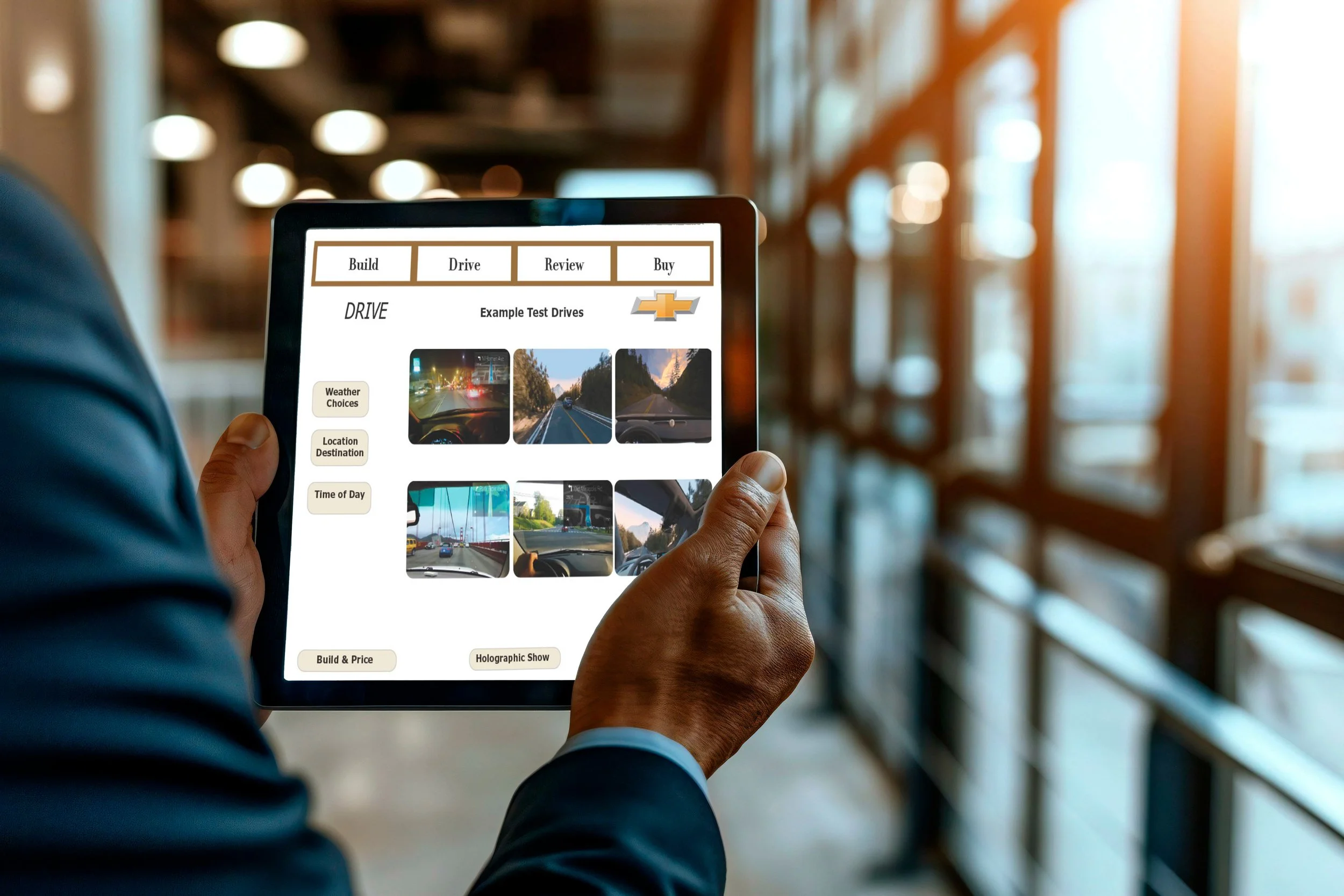
Virtual Test Drive: With high-definition visuals and realistic sound effects, you’ll feel the power and performance of our vehicles as if you were behind the wheel.
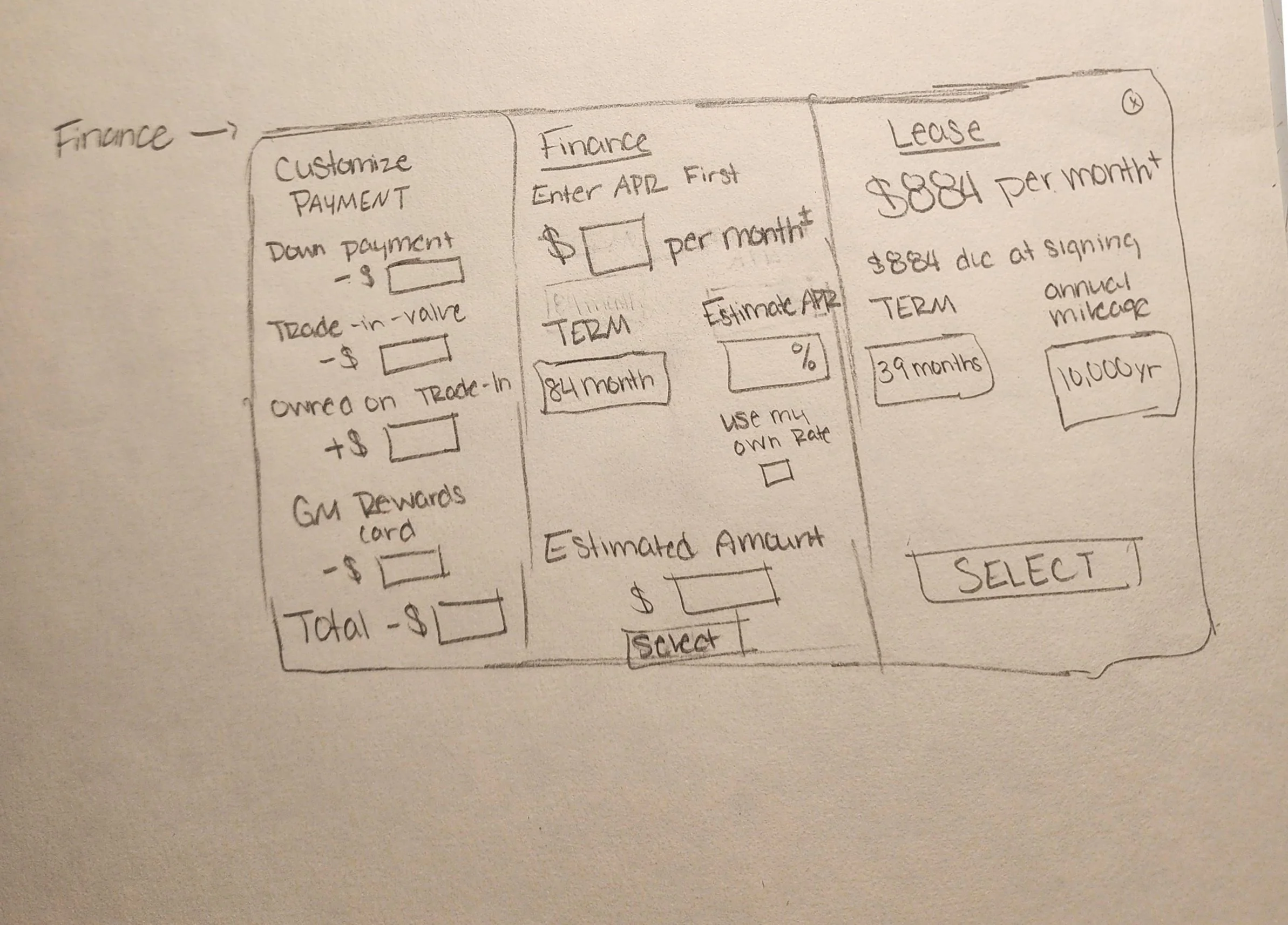
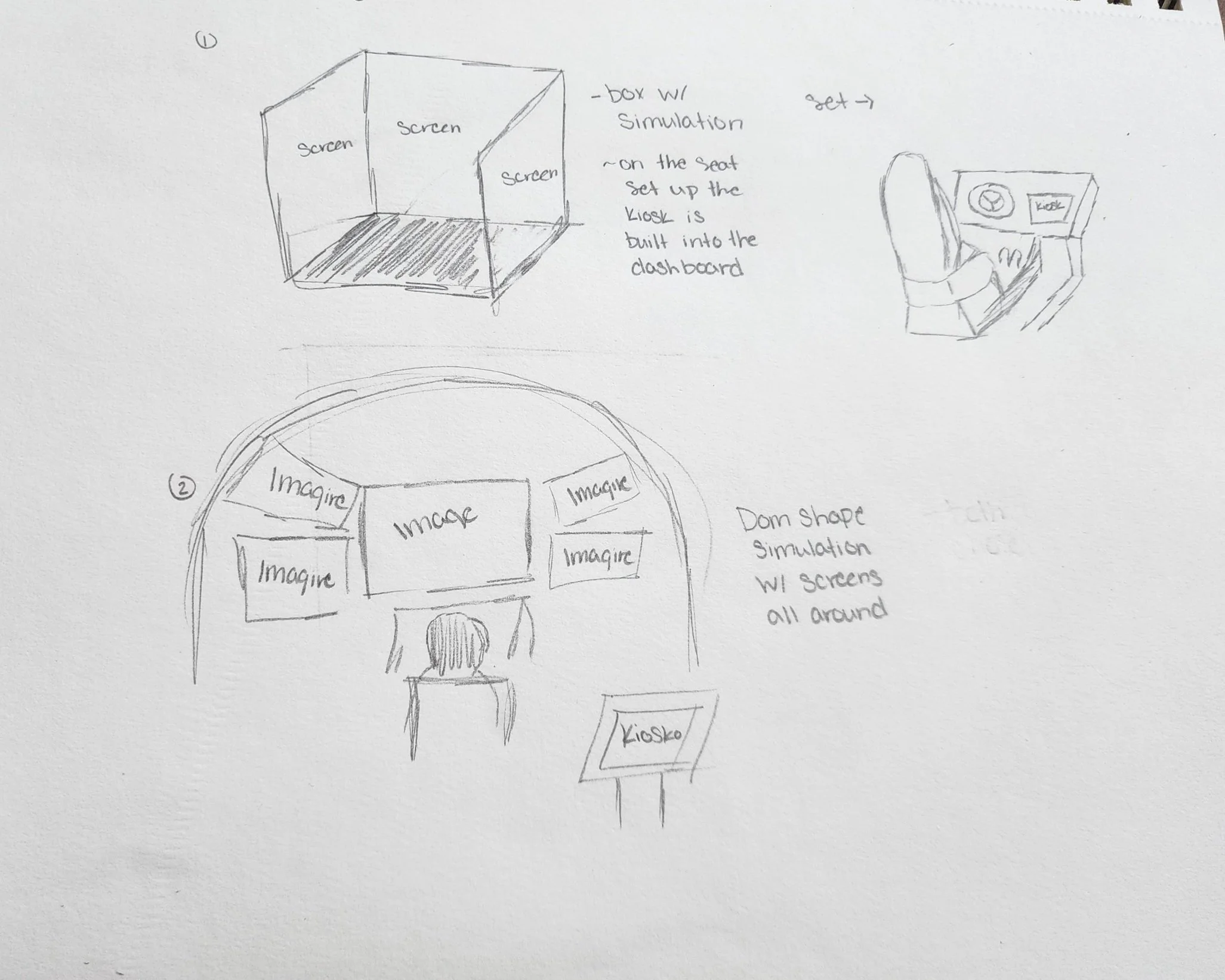
Wireframes- Initial
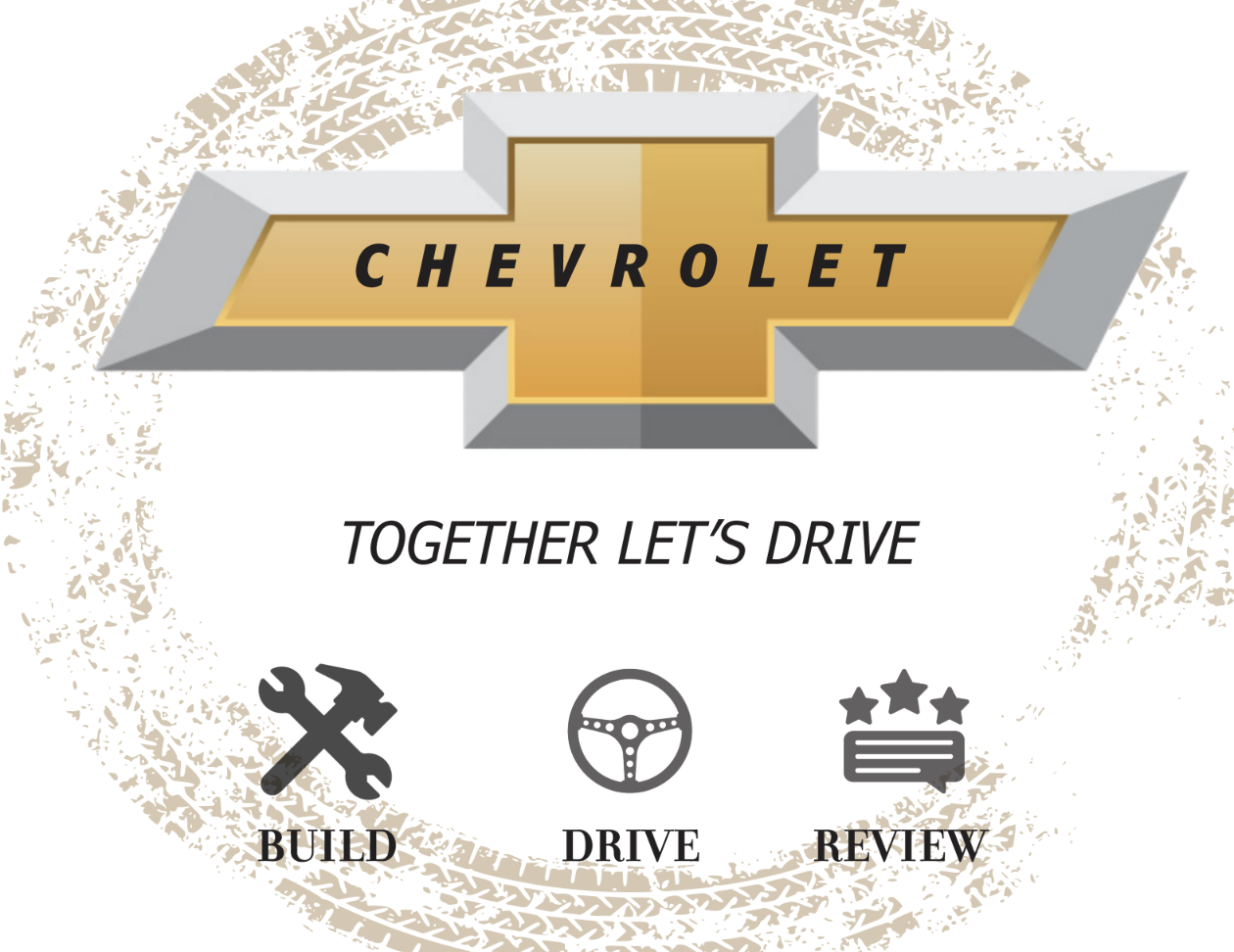
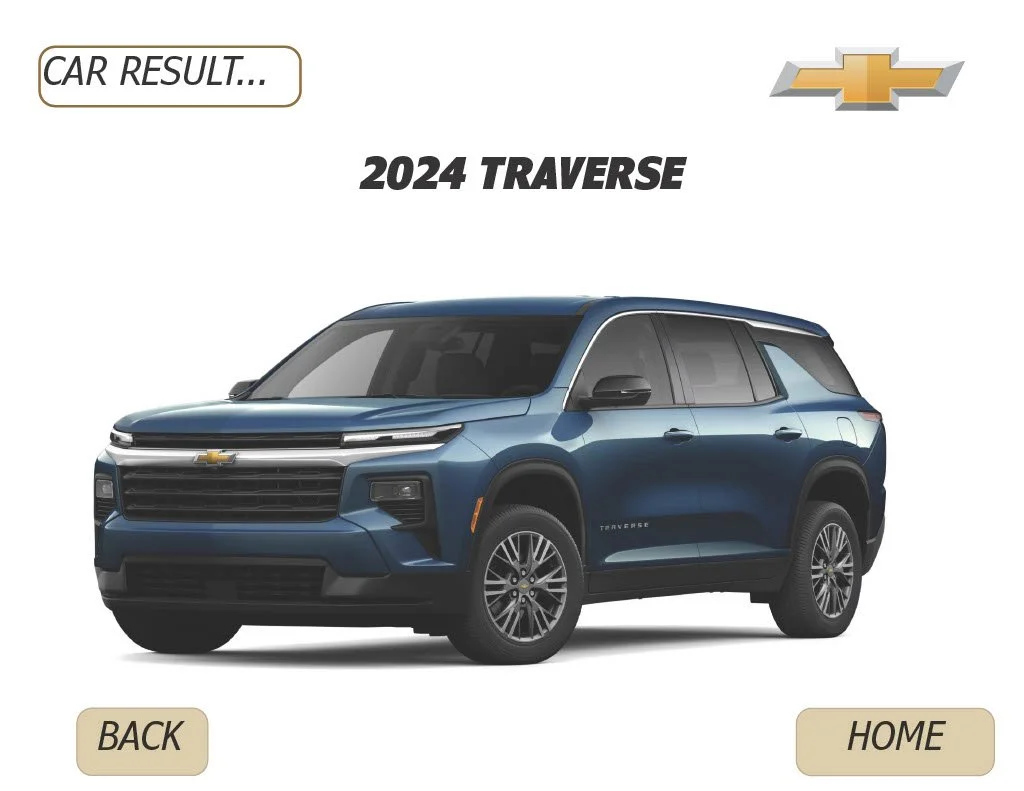
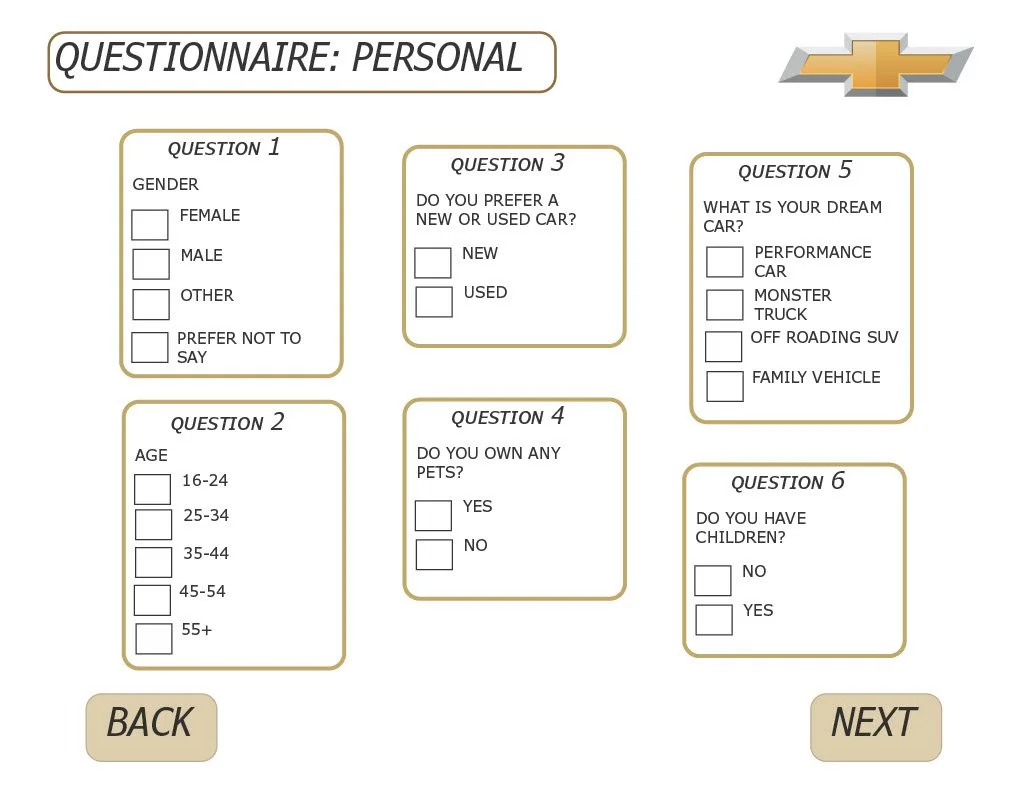
When the kiosk starts up, you are shown the home screen. From there, you answer a series of questions to find a possible match.
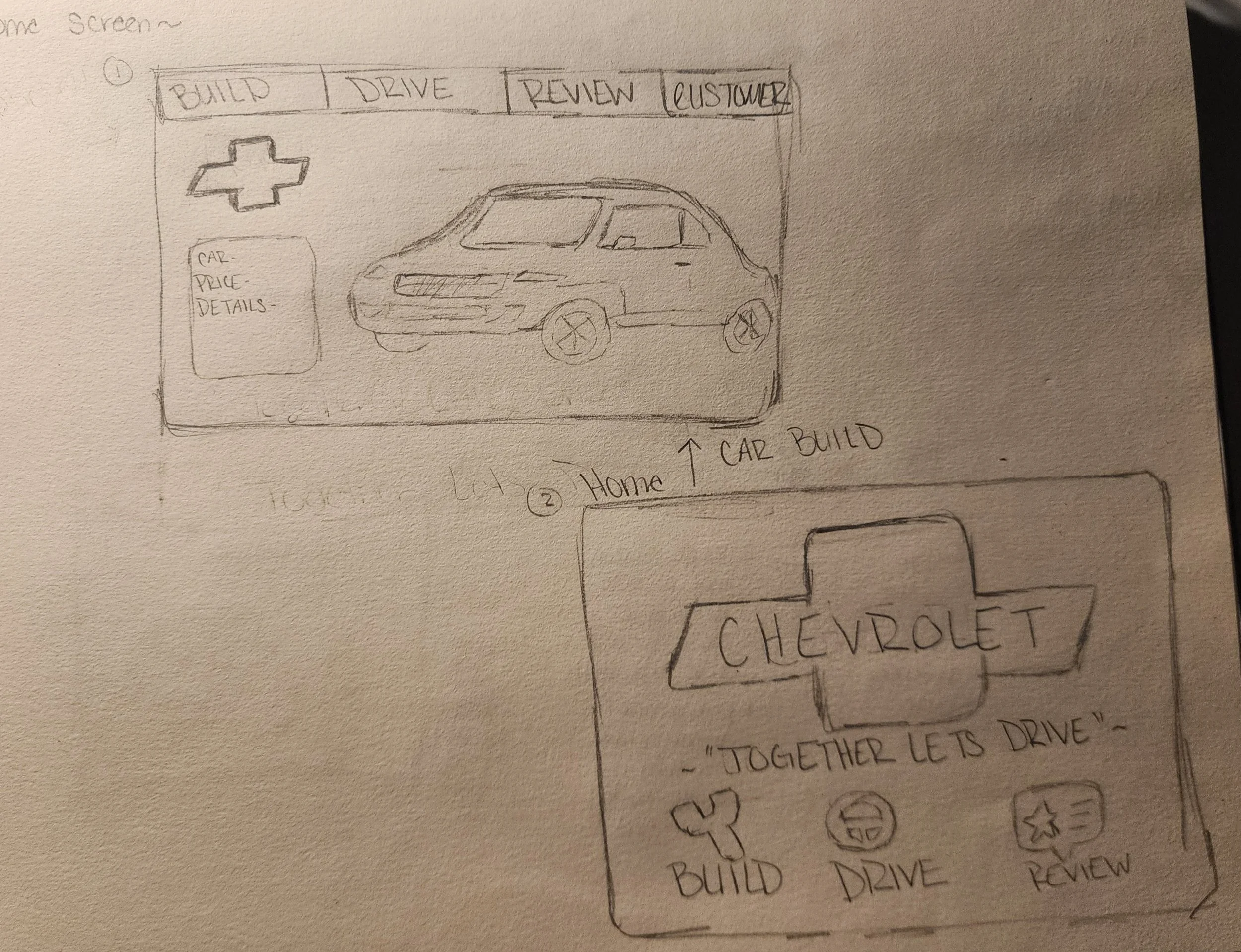
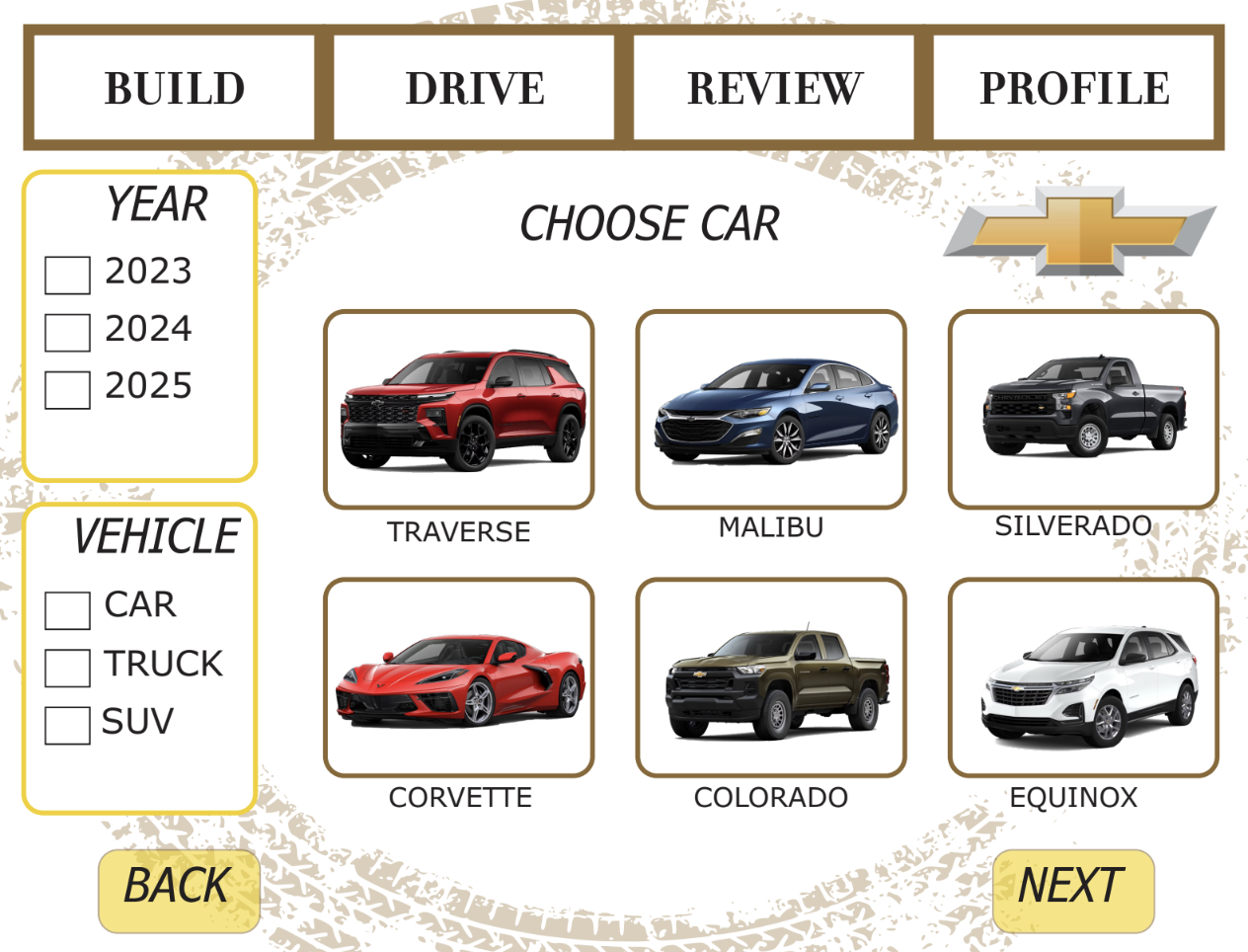
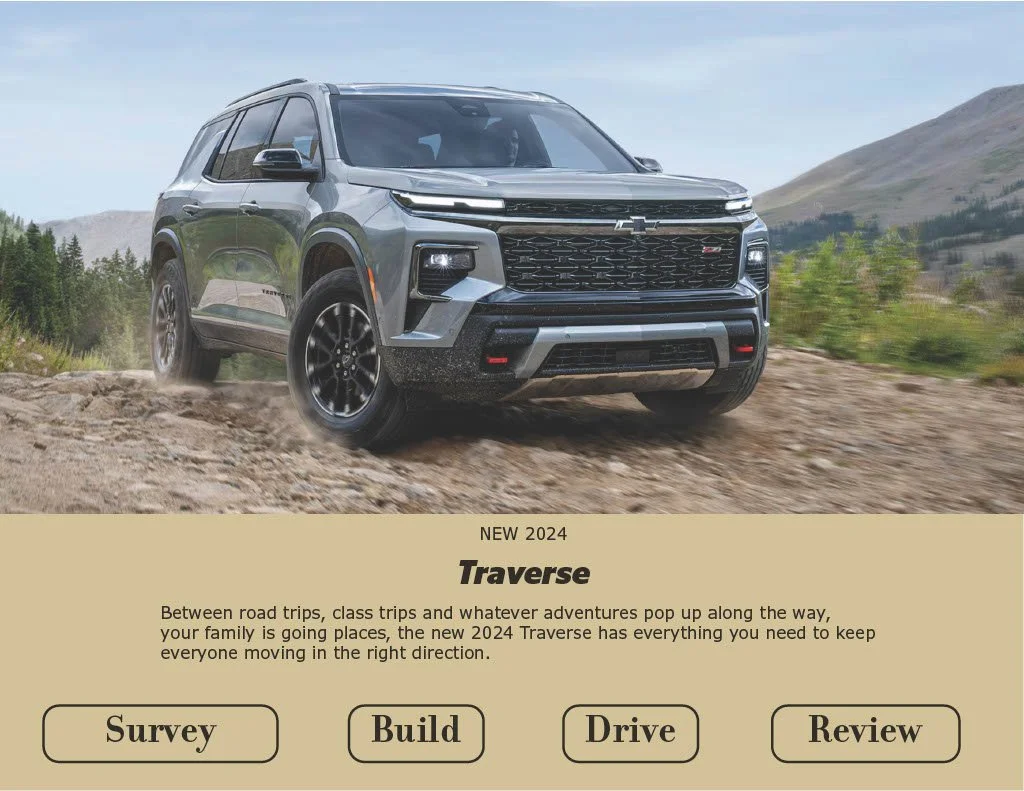
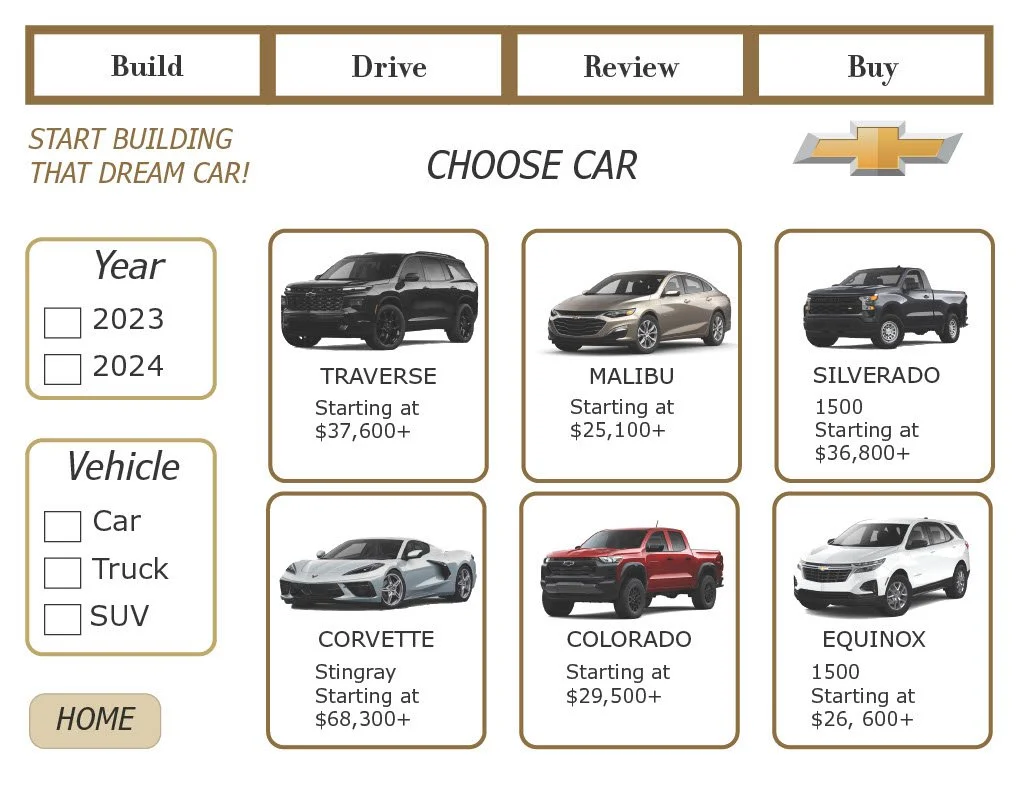
Once a result is given, the user can continue from there or view other options, which will take them to the home screen. On the home screen, there are three options to move forward.
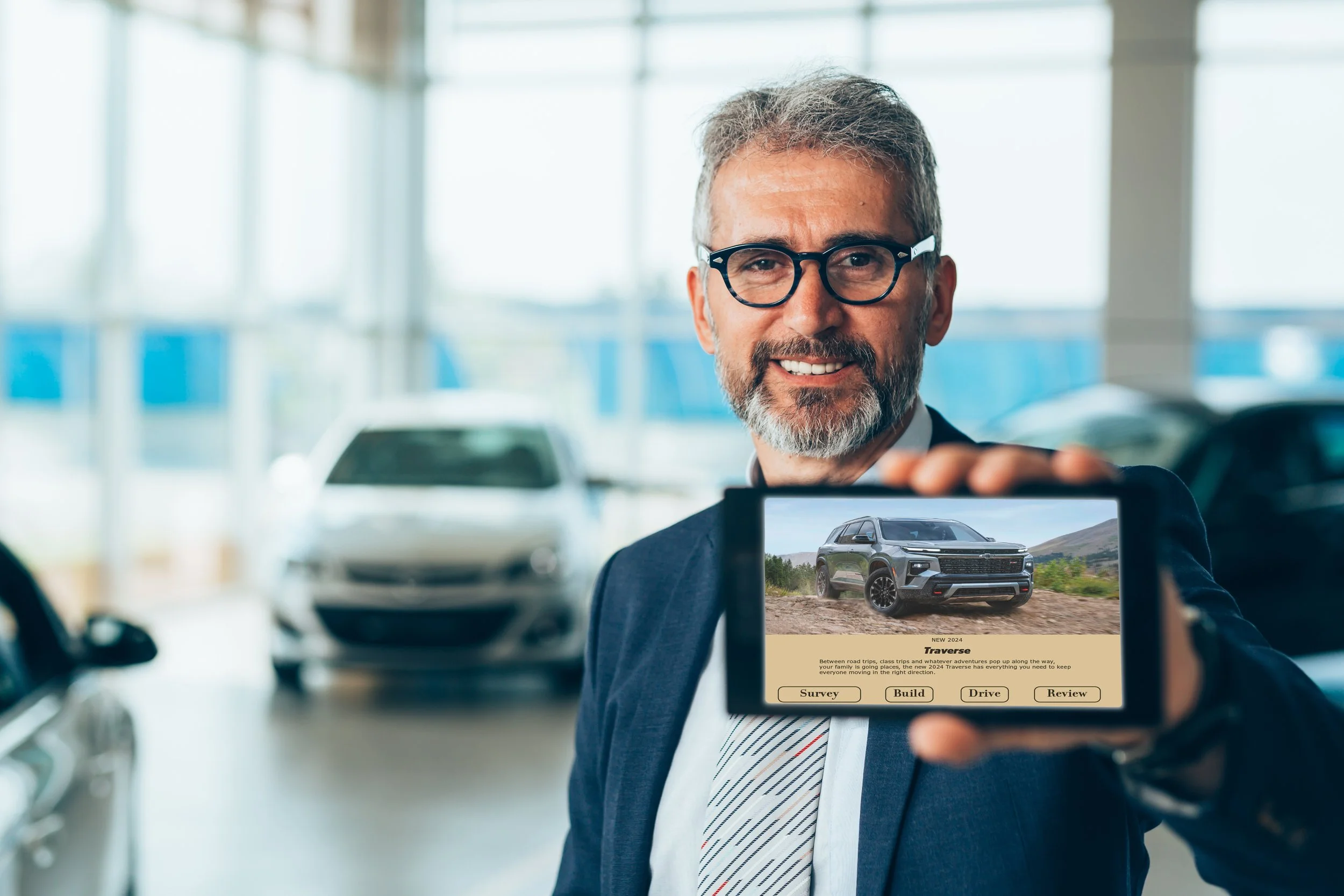
Build: This shows the ability to choose between 2023 or 2024 models of the top vehicles. For the project, I chose to use a 2024 Traverse.
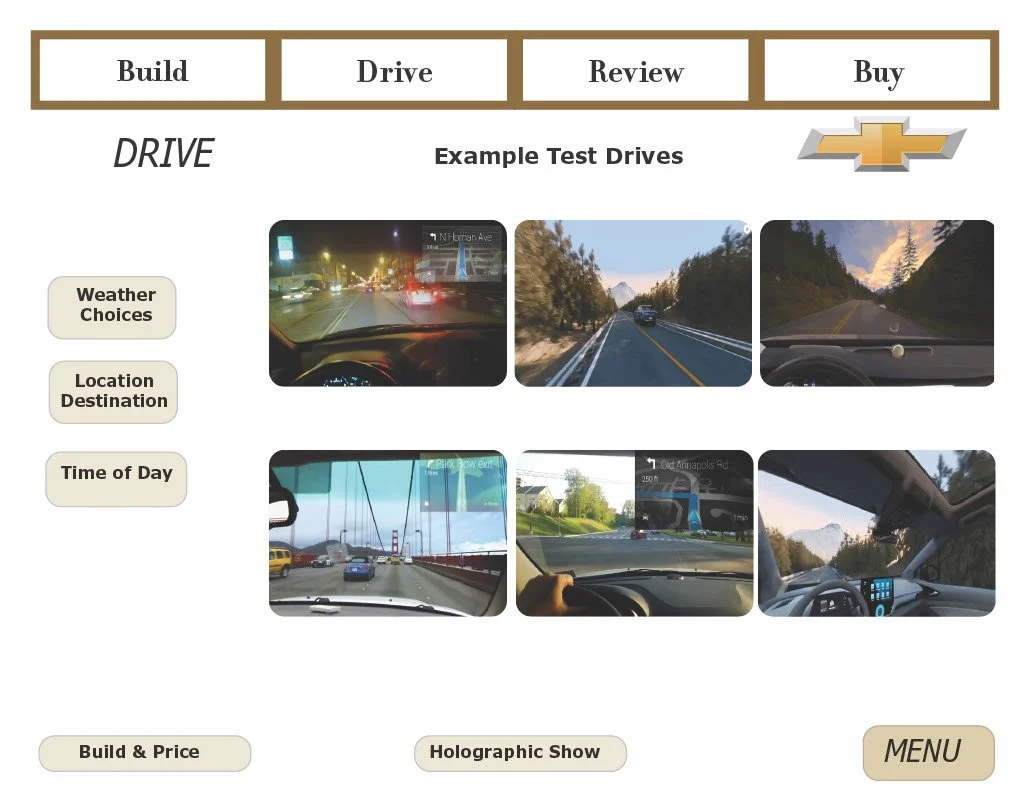
Drive: Move to our driving simulator pod.
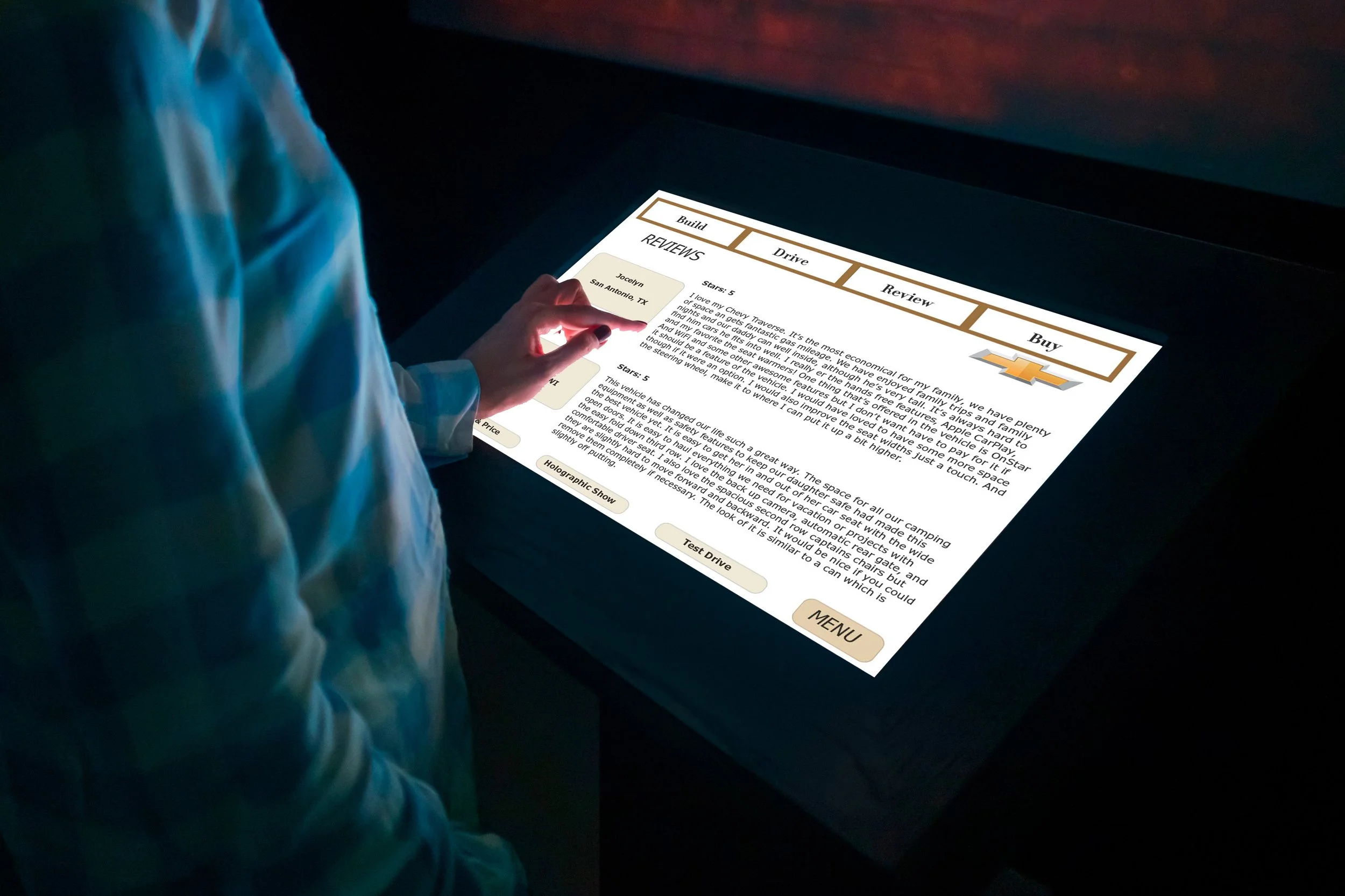
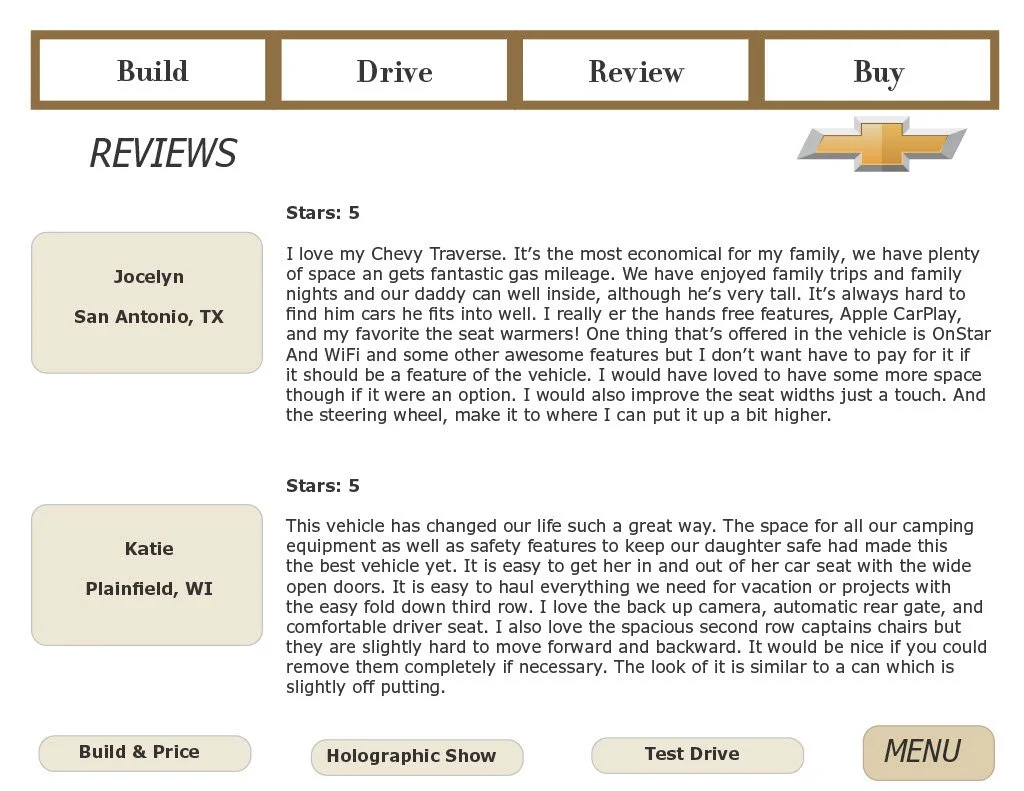
Review: See the real customers’ opinions on one of Chevrolet’s vehicles.
The team introduced a VR test-driving feature that allowed customers to experience Chevrolet vehicles in a simulated environment.
This feature enabled customers to explore different models, interiors, and features from the comfort of a showroom in their own homes.
Recognizing the potential of holographic technology to enhance the showroom experience, the team integrated holographic displays into showrooms.
These displays allowed customers to interact with virtual models of vehicles, explore customization options in real time, and visualize different features before making a purchase.
To simplify the customization process, the team revamped the Online configuration tool, making it more user-friendly and intuitive.
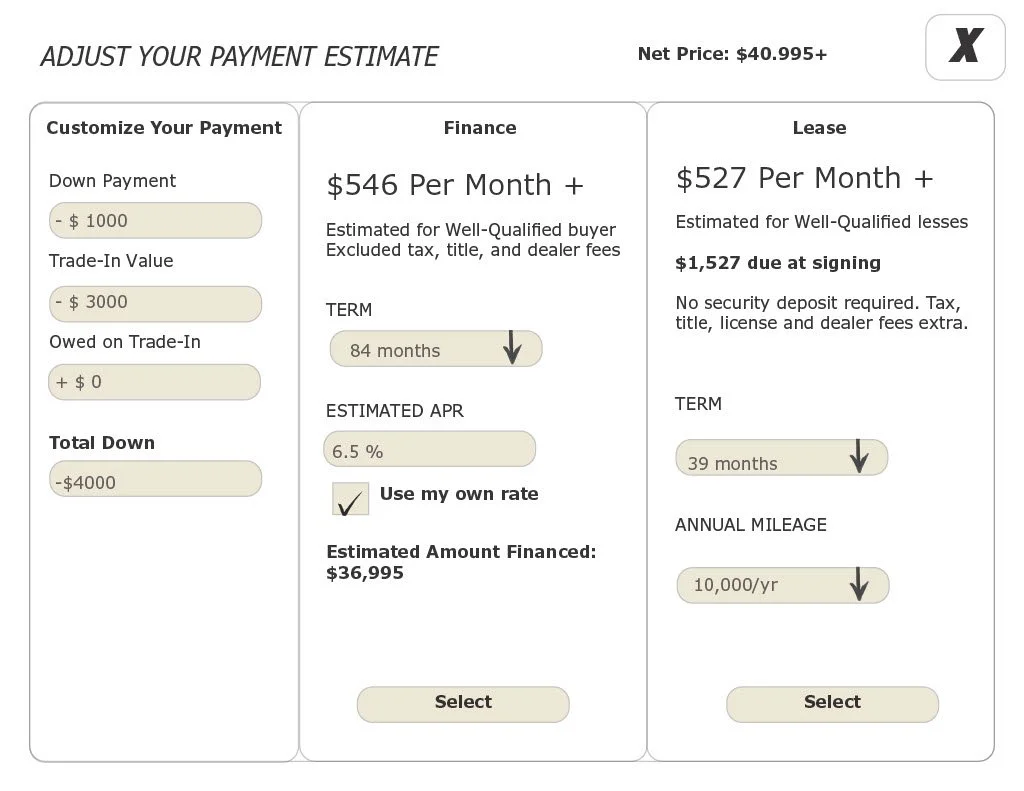
They also expanded customization options, allowing customers to personalize their vehicles according to their preferences while communicating the associated costs.
Final Product/ Solution
User Experience
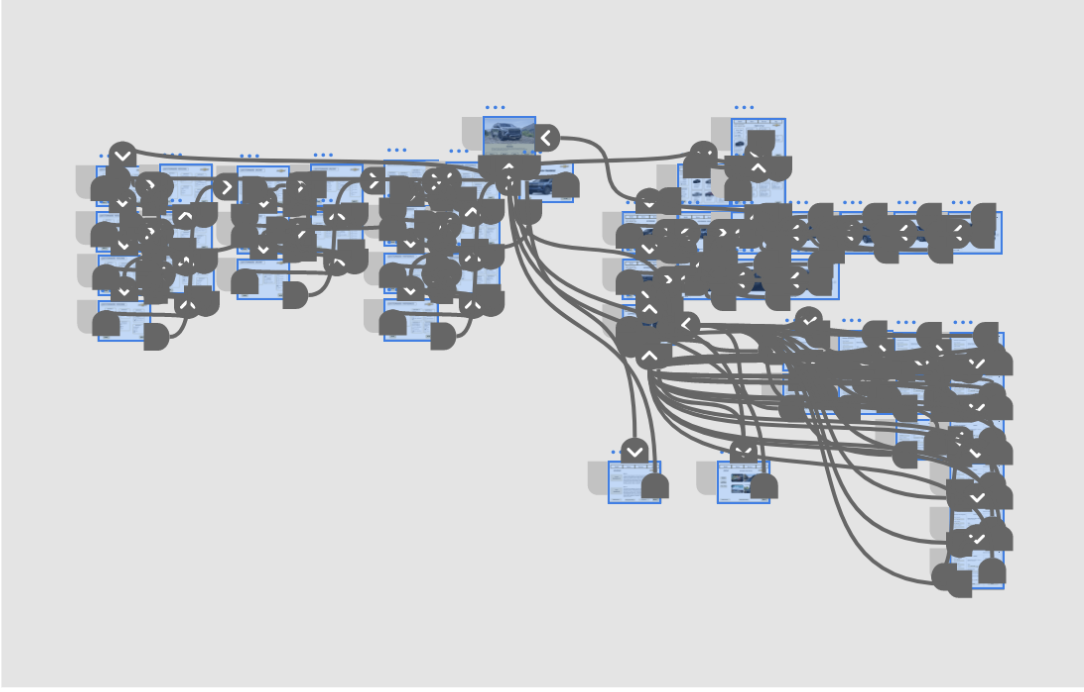
Before being able to customize the vehicle, they ask the customer to take a survey to see if the result is what they want.
Once through that, they can build their vehicle or use the result that was given. Whichever choice they choose, the customer can see a holographic display of the vehicle and virtually test-drive the vehicle before buying.
Environmental Contact